
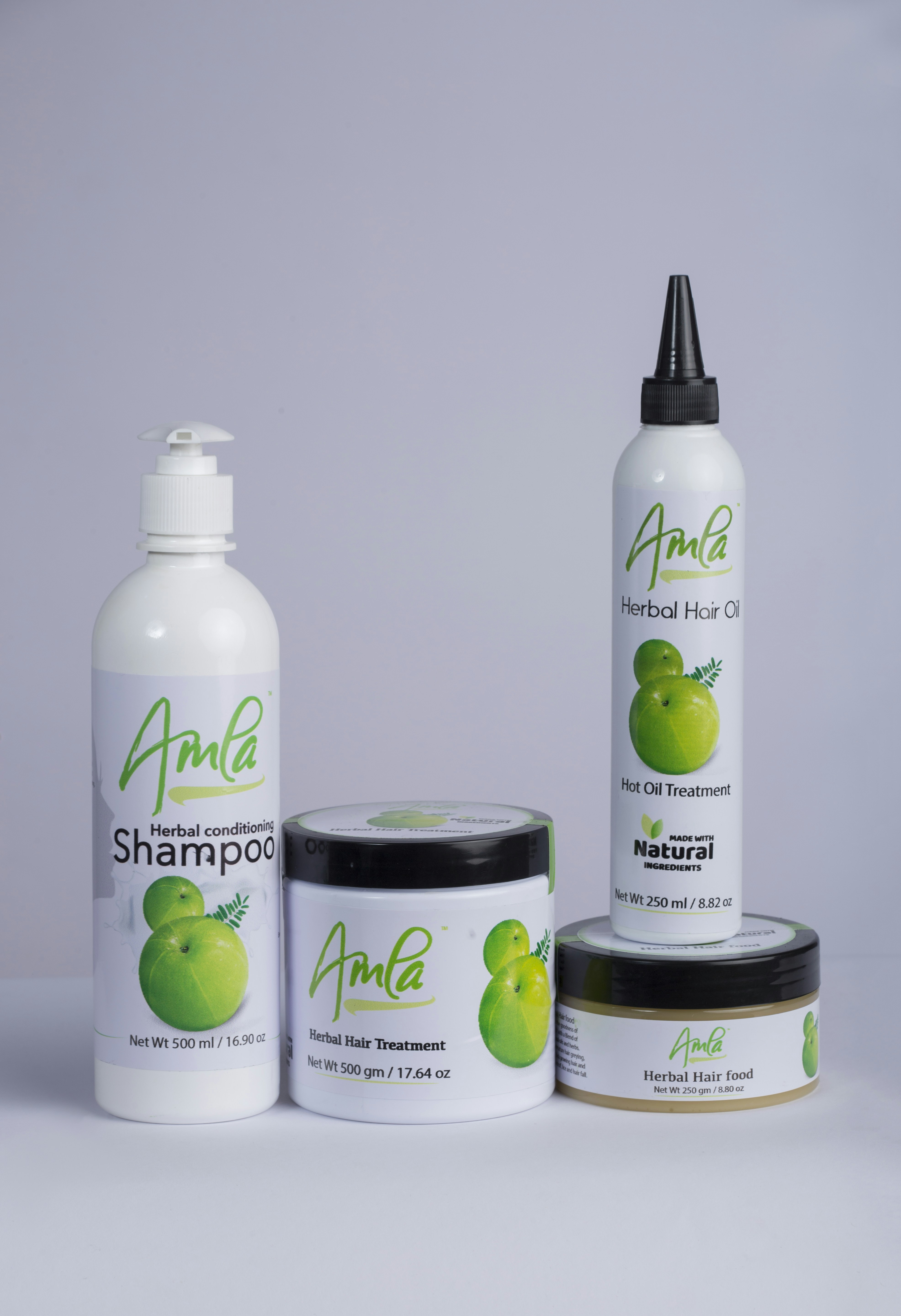
Some Ayurvedic products may become more expensive in the years ahead, but that possibility should not be mistaken for a certain or universal price surge. Prices depend on a mix of conditions that can change over time, and the effects are unlikely to be identical across the entire market. A commonly used herbal oil, a specialized formulation, and a premium supplement may face very different cost pressures.
Any increase is also likely to vary by brand, region, and time period. Manufacturers differ in their sourcing arrangements, production methods, packaging choices, and distribution networks. Local taxes, transport costs, currency movements, and retailer pricing can further shape what consumers pay. As a result, one product may rise in price while a comparable item remains stable, or prices may change in one market before they do elsewhere.
It is useful to distinguish gradual increases from dramatic escalation. If ingredients, labor, or packaging become more costly, companies may adjust prices incrementally, absorb some of the added expense, or make changes to product sizes and promotions. These responses can soften the impact for shoppers. Nor does a rise in a particular category mean that every Ayurvedic item must become substantially more expensive.
The central question, then, is not simply whether prices will rise, but which pressures could push them upward and which forces may hold them back. Availability of medicinal plants, weather conditions, quality standards, and demand may add costs, while efficient sourcing, competition, improved processing, and stable supply can help limit them. The balance can differ from year to year and from one product to another.
For consumers, this means forecasts should be treated as possibilities rather than promises. Understanding the factors behind pricing can provide a clearer picture than assuming that all traditional remedies will follow the same trend. The sections that follow examine the potential sources of higher costs alongside the conditions that could restrain increases, offering a more measured view of what Ayurvedic shoppers might encounter.
The price of an Ayurvedic product begins with the materials used to make it. Medicinal plants, roots, seeds, oils, spices, minerals, and other ingredients can vary in cost according to how readily they are available and how reliably suppliers can obtain them. When a key input becomes scarce or expensive, manufacturers may face higher purchasing and transport costs. Those increases can eventually affect finished-product prices, particularly when a formulation depends on several ingredients with distinct supply chains.
Environmental conditions can make supply less predictable. Shifting rainfall patterns, heat, drought, floods, and changes in growing seasons may reduce harvests or affect the quality of plants. Habitat loss can also constrain wild-growing species, while overharvesting may leave local populations less able to recover. Some materials require careful collection to protect ecosystems, which can limit the quantities available. For manufacturers, these pressures may mean more variable sourcing, longer procurement times, and greater competition for dependable, traceable supplies.
Cultivation offers a degree of stability, but it does not remove every constraint. Many herbs can be grown at scale and may remain comparatively affordable, especially when established farms and multiple suppliers support steady production. Other plants are difficult to cultivate, grow slowly, or need particular soil and climate conditions. Seasonal shortages can push prices upward when harvest windows are brief or yields fall. Materials that require verified origins or specific quality standards may also cost more to source and assess.
Demand beyond traditional medicine can add another layer of pressure. Food, cosmetics, supplements, and other industries may seek the same oils, spices, or botanical extracts, intensifying competition for limited stocks. Mineral inputs and processing materials can also be influenced by extraction costs and wider commodity markets. As a result, ingredient prices do not move uniformly: common cultivated herbs may show modest changes, while rare, slow-growing, or carefully sourced materials can experience sharper volatility. These differences help explain why product costs may shift at different rates.
Ethical sourcing of Ayurvedic ingredients often requires more than purchasing raw materials at the lowest available price. Companies may need to build relationships with farmers and collectors, agree on fair compensation, and verify that harvesting does not damage local habitats. These steps can involve field visits, training, contracts, and audits, all of which add operating costs. Traceability systems also require documentation from the point of cultivation or collection through processing and distribution. Keeping records, checking batches, and maintaining segregation between ingredients can be especially demanding when supply chains cross regions and involve many small producers. Yet these measures help buyers see how materials were obtained and encourage consistent standards.
Cultivating medicinal plants can add distinct costs because many species need specific soils, climates, shade, or water conditions. Farmers may require specialized botanical knowledge to identify suitable varieties, manage pests without compromising quality, and harvest plants at the right stage. Establishing crops can also demand land, labor, and several growing seasons before meaningful yields are available. Some plants grow slowly or are difficult to propagate, while quality testing may be needed to confirm identity, purity, and potency. Investment in irrigation, processing facilities, and training can further raise production costs, particularly for smaller farms transitioning from wild collection to cultivation.
Responsible harvesting can limit immediate supply: collectors may leave mature plants to regenerate, observe seasonal restrictions, or avoid sensitive areas, reducing the quantity available in a given year. Conservation programs may fund habitat restoration, seed banks, or cultivation trials, and those commitments carry costs before benefits are visible. In the longer term, however, healthier ecosystems and well-managed farms can make supplies more dependable and reduce pressure on wild populations. Clear sourcing information also helps consumers assess products and understand why a carefully produced ingredient may cost more, supporting informed choices over time.
Turning raw Ayurvedic ingredients into finished products involves more than harvesting and blending. Plant materials may need to be sorted and cleaned to remove soil, stones, insects, and other unwanted matter. They are then dried under suitable conditions to limit moisture and reduce the risk of spoilage. Depending on the product, ingredients may be milled, processed into extracts, or prepared using traditional methods that require careful control of time, temperature, and proportions. Each stage uses labor, equipment, energy, and space, all of which contribute to production costs.
Formulation adds another layer of work. Manufacturers must combine ingredients in defined amounts and ensure that each batch is consistent. Products then need appropriate packaging to protect them from light, moisture, and contamination during transport and use. Storage conditions also matter: temperature and humidity controls, inventory management, and monitoring of product shelf life can add ongoing costs.
Quality assurance may require laboratory analysis of both ingredients and finished goods. Testing can verify botanical identity and assess strength or consistency, while screening may look for contaminants such as heavy metals, pesticides, microbes, or undeclared substances. The scope and frequency of testing vary, but reliable methods, qualified laboratories, trained staff, and documentation are not cost-free. Standardized manufacturing systems may also involve equipment maintenance, staff training, batch records, and audits.
Regulatory obligations can add further expenses, depending on where a product is made and sold. Companies may need to maintain traceable supplier records, follow applicable manufacturing rules, substantiate label claims, and meet packaging or reporting requirements. These steps can support transparency and reduce the chance that a substandard product reaches consumers, though standards and enforcement differ across markets.
When producers invest in stronger quality controls, some of those expenses may be reflected in retail prices. However, a higher price does not by itself establish that an Ayurvedic product is safe, authentic, or effective. Consumers can look for clear ingredient information, manufacturing details, and credible testing disclosures, while recognizing that no single label or price point guarantees quality.
The price of an Ayurvedic product reflects more than its ingredients and formulation. Producers also pay for labor, electricity, fuel, transport, packaging, and storage. When inflation affects the wider economy, several of these expenses can rise at the same time. Higher wages may increase the cost of preparing, filling, and checking products, while more expensive electricity adds to the expense of operating equipment and maintaining suitable production conditions. Fuel price increases can also raise the cost of moving raw materials to a facility and delivering finished goods to distributors or retailers.
Packaging is another important part of the final cost. Glass bottles and jars can be relatively heavy and fragile, making them more expensive to manufacture, pack, and transport. Plastic containers may have different costs, but their prices can also change with material and supply conditions. Labels, caps, seals, cartons, and other protective materials add further expenses. A producer’s packaging choices may therefore affect both the product’s shelf presentation and its price. Warehousing costs matter as well: rent, utilities, handling, and inventory management all contribute to the expense of keeping products available before they reach customers.
Smaller Ayurvedic producers may have less room to absorb rising costs than large manufacturers. A company producing at high volume may negotiate lower prices for containers or transport, spread overhead across more units, or use established distribution networks. A small business may purchase materials in smaller quantities and face higher per-unit costs, while having limited cash reserves to cushion sudden increases. Production scale and packaging decisions can consequently influence how much of an increase is passed on to buyers. Even when a producer seeks to keep prices steady, sustained inflation across wages, energy, transport, and materials may eventually make adjustments necessary.
When Ayurvedic products or their ingredients cross regional or national borders, their final cost may reflect more than the price paid to a grower or manufacturer. Freight charges can rise with fuel prices, shipping capacity, route changes, or the need for faster delivery. Warehousing, insurance, handling, and packaging requirements may add further expenses before goods reach a retailer. These costs do not affect every product in the same way: bulky, fragile, temperature-sensitive, or time-critical items may be more expensive to move and store. If transport networks are disrupted, longer transit times can also tie up inventory and increase the cost of maintaining reliable supplies.
Imported ingredients and finished goods may be particularly exposed to exchange-rate changes. When a local currency weakens against the currency used for a purchase, buyers may need to pay more in local terms even if the overseas price remains unchanged. Currency movements can also affect the cost of customs duties, taxes, freight contracts, or other charges billed in foreign currency. The impact depends on where a supplier is based, how purchases are priced, and whether a business has contracts or other arrangements that limit short-term fluctuations. As a result, imported herbal materials or products may become more expensive at different times and to different degrees.
Border procedures can contribute additional uncertainty. Customs duties, import taxes, inspection requirements, and documentation fees vary by jurisdiction and product classification, and policy changes may alter costs. Delays at ports or checkpoints can mean extra storage charges, missed delivery schedules, or the need to source replacement stock. However, locally sourced goods are not automatically insulated from rising costs. Ingredients may travel long distances within a country, while processing, packaging, and distribution still depend on fuel, labor, and transport networks. The likely effect on prices therefore depends on local trade rules, sourcing choices, infrastructure, and the resilience of each supply chain. In some markets, domestic sourcing may reduce exposure to foreign exchange movements, yet other logistics costs can still influence retail prices.
Not every Ayurvedic product is likely to become substantially more expensive. Improvements in cultivation, harvesting, and post-harvest handling can increase yields while reducing waste, helping manufacturers manage costs. More reliable local sourcing may also limit exposure to international freight charges, currency fluctuations, and delays. Where farmers and producers build stable supply relationships, planning becomes easier and sudden shortages may be less disruptive. These gains can help keep prices steady, although their effects depend on the ingredients, region, and scale involved.
Production efficiency and competition may provide further restraint. Manufacturers that improve processing, packaging, and inventory management can reduce avoidable expenses without lowering product standards. Larger manufacturing volumes may spread fixed costs across more units, while competition among established brands and newer businesses can encourage careful pricing. In some cases, companies may reformulate a product using more readily available ingredients or adjust its presentation, provided the change is transparent and does not compromise quality, safety, or the preparation’s defining characteristics. Such measures do not guarantee lower prices, but they can soften increases.
Price pressures also vary according to what a product contains. A straightforward preparation made with abundant, locally available ingredients may be less vulnerable to scarcity than a specialized formula that depends on rare botanicals, lengthy processing, or particular sourcing requirements. Consumers can make more useful comparisons by checking the full ingredient list, package quantity, and available quality information, rather than relying on brand reputation or headline price alone. Comparing the price per gram, millilitre, or dose can reveal meaningful differences between products of similar type. When assessing value, consider both the amount offered and the clarity of information about sourcing and quality; a lower price is not necessarily a better choice if important details are missing.
If prices rise, consumers can assess value by looking beyond the shelf price and comparing what each product actually provides. Read the full ingredient list, including botanical names and amounts where these are disclosed, and check whether the label clearly identifies the manufacturer or responsible company. Product details should be easy to find and consistent across the packaging and the seller’s website. A higher price may reflect sourcing, production, testing, or distribution costs, but price alone does not establish quality, effectiveness, or suitability for an individual.
Look for clear batch or lot information, an expiry date, and accessible explanations of any quality checks or testing the manufacturer reports. Such disclosures can help buyers understand how a product is made and monitored, although vague claims such as “premium” or “pure” are not a substitute for specific information. Follow the recommended storage instructions, since heat, moisture, or light may affect some products. Compare products with similar ingredients, quantities, and formats, and consider whether the packaging and directions provide enough information for safe, informed use.
Neither the most expensive option is automatically superior nor an unusually cheap product necessarily unsafe. A low price may reflect promotions, packaging, or other business choices, while a high price may include branding and marketing costs. Treat unsupported promises about health outcomes with caution, regardless of the price. Before using an Ayurvedic product, consult a qualified healthcare professional about whether it is appropriate for your circumstances, possible interactions with medicines or other supplements, and any medical concerns. This is especially important if you are pregnant, managing a health condition, or taking prescription medication. Professional guidance and transparent product information are more useful measures of value than price or promotional claims alone.
Higher prices for Ayurvedic products may reflect several pressures acting together: changing weather, limited availability of certain medicinal plants, rising cultivation and processing costs, stricter quality requirements, and disruptions in transport or packaging. These factors do not affect every ingredient or product in the same way. A remedy made with locally available materials may face different cost changes from one that depends on scarce herbs, specialized processing, or long-distance sourcing. For that reason, broad forecasts should be treated as possibilities rather than guarantees.
Building resilience will require action across the supply chain. Sustainable cultivation and responsible wild harvesting can help protect plant populations while supporting more dependable supplies. Transparent sourcing can make it easier to understand where ingredients come from and how they are produced. Consistent quality controls, including appropriate testing and clear documentation, can protect consumers and reduce avoidable waste. Meanwhile, better coordination among growers, manufacturers, and distributors may improve storage, planning, and transport efficiency. These measures can involve investment, but over time they may reduce shortages and help make costs more predictable.
Consumers also have a role in encouraging a more reliable market. Comparing product labels, checking that quality and sourcing claims are specific, and purchasing from suppliers that provide credible information can support responsible practices. A higher price alone does not establish that a product is more effective or better made, just as a lower price does not automatically indicate poor quality. Buyers can consider evidence, ingredients, and manufacturer transparency alongside cost, and consult qualified practitioners when making decisions about health products. Some Ayurvedic products may become costlier in the years ahead, but the scale and timing will vary, and outcomes are not predetermined. Following trustworthy updates on prices, sourcing, and quality offers a more useful guide than treating sector-wide predictions as certainty.